LED strobe beacon
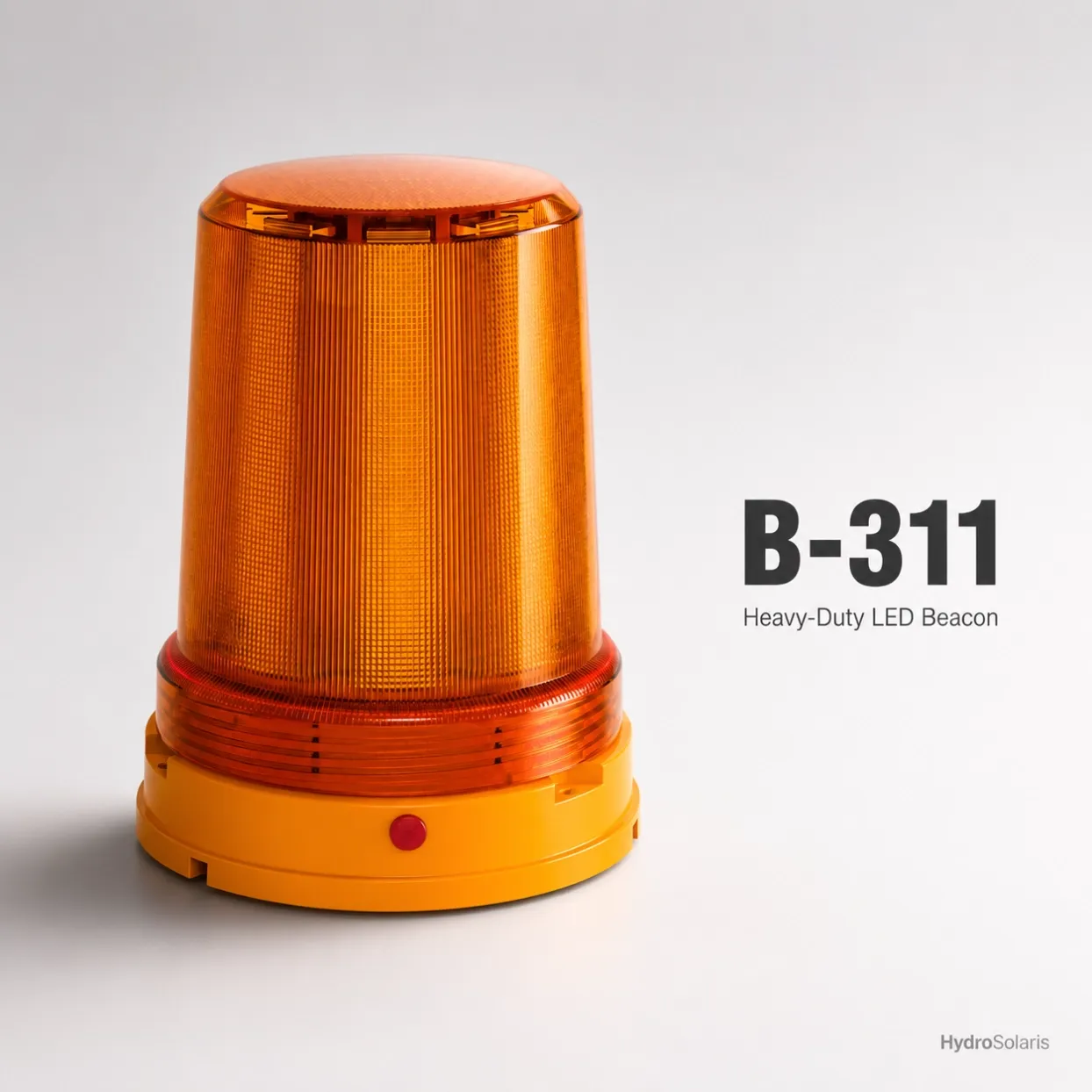
B-311 Heavy-Duty LED Beacon | 72W, IP67, ECE R65/R10
B-311 heavy-duty amber LED beacon for construction, forklifts, agricultural machinery and road-service vehicles. 72W, 12/24V, IP67, screw mount and brochure-listed ECE R65/R10.
Specifications
- Model
- B-311
- Light Type
- Heavy-Duty LED Beacon
- LED Quantity
- 72 PCS LEDs
- Power
- 72W
- Voltage
- 12V / 24V
- Light Color
- Amber cover + amber LEDs
- Dimensions
- 171 × 220 mm
- Mounting
- Screw mount
- Materials
- PC lens + die-cast aluminum base
- Ingress Protection
- IP67
- Brochure-listed Compliance
- ECE R65 / ECE R10 / RoHS / CE
- Operating Temperature
- -42°C to +67°C
- Brochure-listed Lifetime
- 65,000 hours
B-311 Heavy-Duty LED Beacon for Commercial and Industrial Equipment
The B-311 is an amber heavy-duty LED beacon for buyers who need a conspicuous warning-light option for construction machinery, industrial vehicles, forklifts, agricultural equipment and road-service vehicles. The brochure lists 72 LEDs, 72W power, 12V / 24V operation, IP67 protection and a screw-mounted construction.
For an OEM, importer or fleet-equipment distributor, the key question is not simply whether a beacon looks bright in a catalog image. The operational question is whether the warning light can be specified consistently, installed securely and supported with the right documentary evidence for the intended market. The B-311 should be evaluated against the vehicle application, local rules and the final installed configuration.
Why 12V / 24V compatibility matters
The brochure lists 12V / 24V operation. This can help distributors and equipment builders serve mixed fleets without creating separate voltage-specific inventory lines. The business benefit is simpler stocking and fewer wrong-voltage replacements. Before an order is released, confirm function-level current draw, wire length, connector or lead option, polarity and the electrical protection required by the target vehicle.
High-output LED configuration should be verified at sample stage
The B-311 brochure states 72 PCS LEDs and 72W. These figures help purchasing teams compare products, but a volume specification should also include the approved bill of materials and electrical test data. Confirm that the supplied sample, quoted power, LED configuration and light pattern match the order. This protects importers and private-label brands from inconsistent product listings and avoidable warranty discussions.
IP67 protection linked to real work environments
The brochure lists IP67. For machines exposed to rain, dust, road spray and washing, ingress protection has direct commercial value: it can reduce water-related service claims and downtime. Buyers should request model-specific IP test evidence and verify the complete version being purchased, including the lens, housing, cable exit and any connector. Correct mounting and cable routing remain essential after installation.
Die-cast base and screw mounting for equipment applications
The B-311 uses a PC lens and die-cast aluminum base, with screw mounting. These details matter to equipment manufacturers because they determine fitment, serviceability and installation planning. The brochure lists a 171 × 220 mm size. Before approving production, request a dimensional drawing, mounting-hole pattern, fastener recommendation, rear clearance and vibration-validation information for the actual machine. A secure mechanical interface helps prevent field failures caused by loose or unsuitable installation.
How to handle brochure-listed approvals
The B-311 brochure lists ECE R65, ECE R10, RoHS and CE. These claims are relevant to buyers operating in regulated or specification-driven markets, but they must be checked against the exact part number, lens marking, voltage version and light function. Request the applicable certificates or test reports before using approval language in a tender, catalog or vehicle program. This simple verification step reduces compliance risk and protects customer trust.
Where B-311 can be evaluated
Typical evaluation applications include construction machinery, forklifts, industrial vehicles, agricultural equipment and road-service vehicles. Suitability depends on the local requirements for warning-light use, the mounting position, electrical system and visibility needs of the specific vehicle.
Pre-order checklist for B2B buyers
Before a bulk purchase, confirm the destination market, 12V or 24V system, amber light requirement, mounting drawing, wiring details, IP67 evidence, ECE R65/R10 documentation, operating-temperature evidence, packaging, private-label artwork and golden-sample procedure. A pilot order with the final wiring and packaging makes it easier to control consistency before a larger shipment.
For qualified inquiries, provide the vehicle type, country or market, annual quantity, mounting location and required certificates. That allows the supplier to distinguish confirmed brochure specifications from details that should be validated on the production-intent sample.


